“I don't care about design”

Design defies a single definition. It exists at the crossroads of logic and taste; it is as difficult to explain as it is to understand. So what might seem great to one might seem equally ridiculous to another.
“I don’t care about design”. Something many of us have heard from friends, investors and colleagues. How much of that is true? Do we actually care if something as simple as a water bottle had a 9 cm diameter and is opaque?
The truth is, we do care. When the diameter is too uncomfortable to grip and hold onto, when you can not tell how much water the bottle holds and if the texture is too slippery. We do not notice design when it works; we only notice it when it fails. There are plenty of such designs that go forgotten in our everyday lives but if there were a slight change, life would become very uncomfortable or maybe a bliss. Many such things come to mind and each of these highlight why design is something we subconsciously care about. A prime example would be Norman doors.
What if bottles opened the other way round?
Jugs had no handles?
If type writers were gone, why were keyboards not made alphabetically?
Why are car seat positions different in different countries?
What if shirt buttons were sewed on the other side?
Wouldn't it be nice if the USB plugged in right the first time?
Why are park benches so uncomfortable?
At its core, design is a silent language that speaks to our deepest instincts. We often think of it as mere aesthetics—fancy finishes or sleek silhouettes—but those visual elements are actually the bridge to our subconscious.
Our perception of what 'works' is heavily dictated by the geography of our upbringing. From the way a kitchen is laid out to the specific weight of a tool in our hand, our childhood environments calibrate our expectations for the rest of our lives. These cultural imprints create a 'national design language'; what feels intuitive and comforting in one country may feel alien or dysfunctional in another.
Ultimately, we don't just use design—we feel it. We are profoundly affected by our surroundings, and when a design succeeds, it resonates with our personal history and cultural identity. It is only when that harmony is broken that we realize how much we truly care. The statement "I don't care about design" is actually a testament to how well a design is performing; it means the object has successfully integrated into your life without friction.
Design is a silent language which speaks volumes.
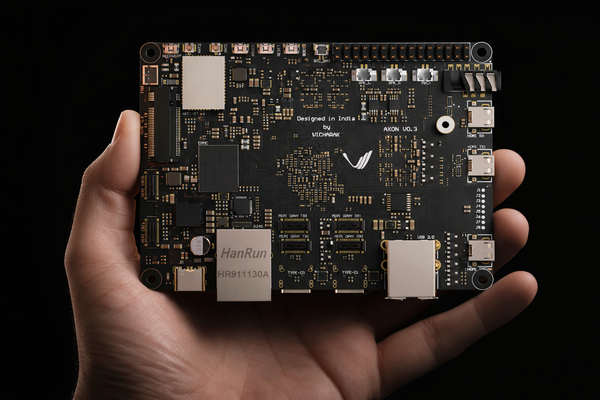
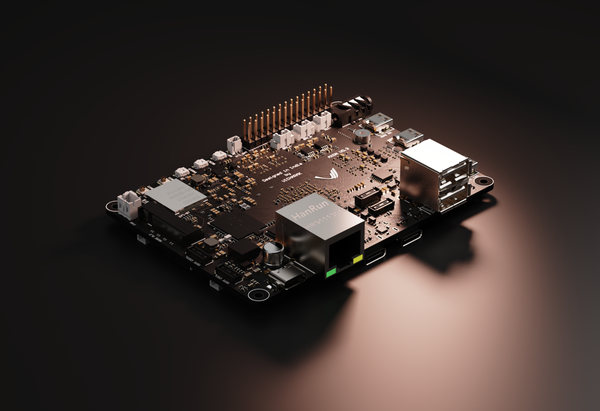
At Vicharak, user experience is our North Star. While building Sage no matter the technical hurdles we encounter, once a decision is made in favor of the user, it becomes our absolute priority. Sometimes the simplest things are the most difficult to craft.